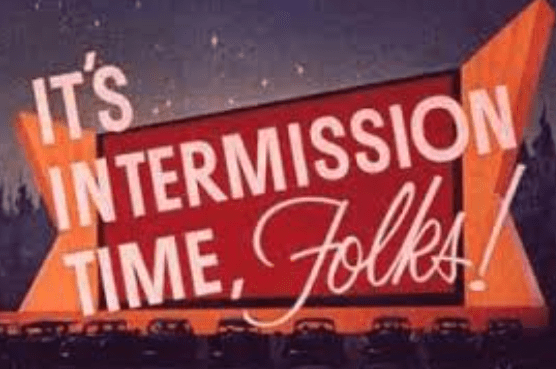
An Intermission is a period used within a performance or production to allow the audience to have a break/recess within theatrical plays, concerts, opera, and feature films. Intermissions can still be seen within theatrical plays, opera, and concerts, but have mostly disappeared from modern feature films. Within this article we will explore the history of the intermission, why has it disappeared from modern feature films, and lastly why they should be reintroduced in future feature films with long run-times.
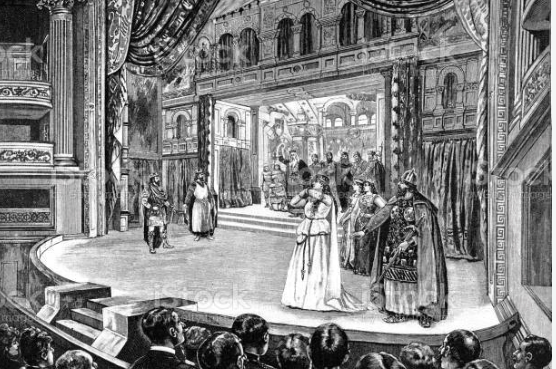
Source: istock by Getty Images
The history of the Intermission can first be seen in stage plays during the 18th century and were seen as a dramatic pause that allowed for audience members to stretch as well as performers the needed time to rest and or change costumes and stage decor (Andrews, 2011; Goodridge, 1999; Pavis & Shantz, C., 1999). Intermissions, although not exactly written within a script, can be placed within stage plays wherever the director feels is appropriate. For example, Shakespearean plays were written without an official intermission, but directors can place an intermission where they see fit (Dessen, 2002). In some cases, directors may choose to place an intermission to create suspension and or leave the audience on a cliffhanger. Other intermission points could signal a drastic change in character development and or story.
With the creation of the video camera in the early 1910’s. Audiences no longer needed to see a performance live, but rather could see a performance that was filmed and projected on a screen (known as a silent film). Reels were used to keep the film intact and to be projected. However due to the sizing of a reels diameter, many films had multiple sets of reels (Roemer, 2022). Each reel had to be switched out for the next. The 1912 film, Les Amours de la reine Élisabeth (with a total runtime of 53 minutes), had a total of four reels. The theater houses determined that each reel change would serve as an intermission, thus during its showing the film had a total of three intermissions. But as productions became longer, intermissions would take on a new meaning in feature films.
Birth of a Nation Intermission Title Card
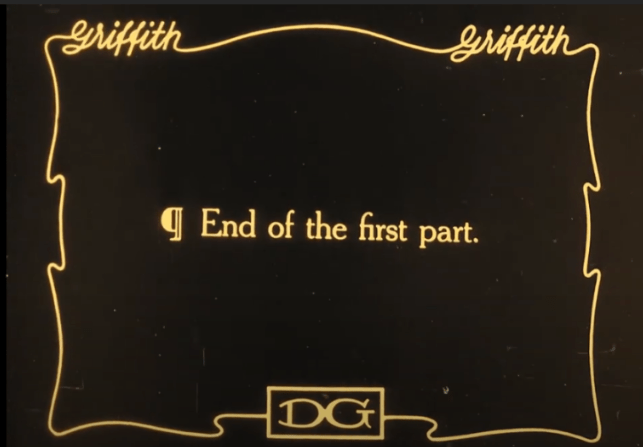

Source: the8percent
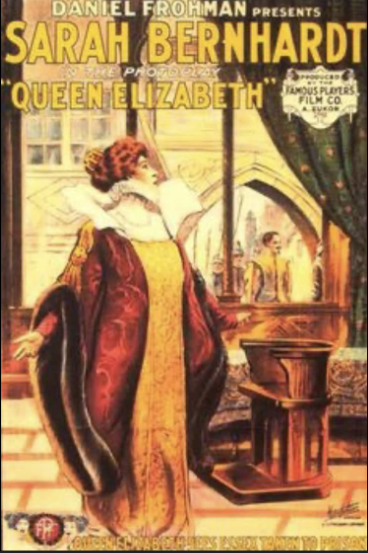
Source: IMDB
Source: IMDB
Source: 45worlds
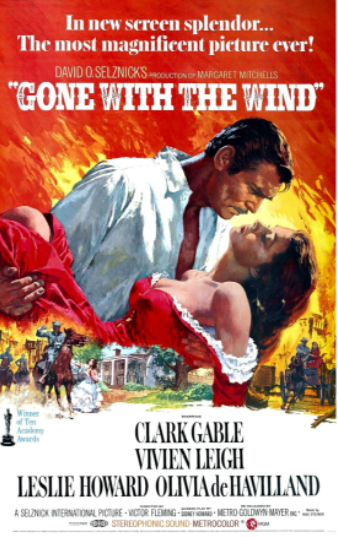
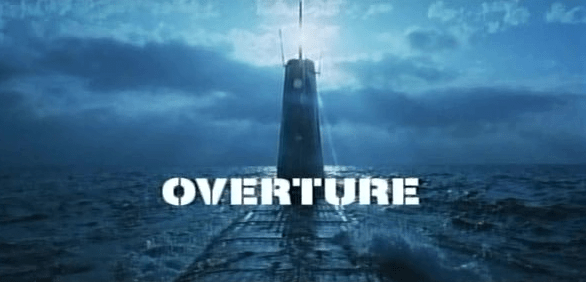
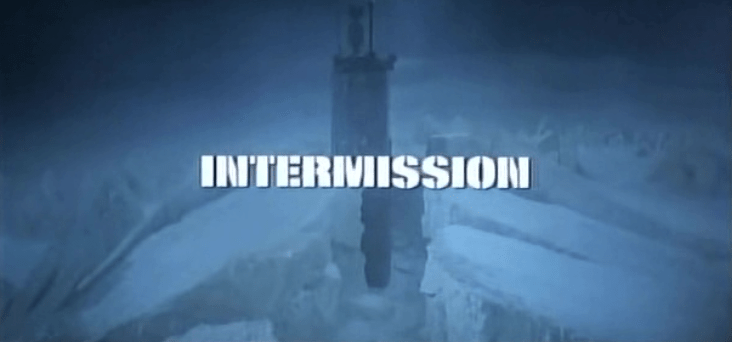
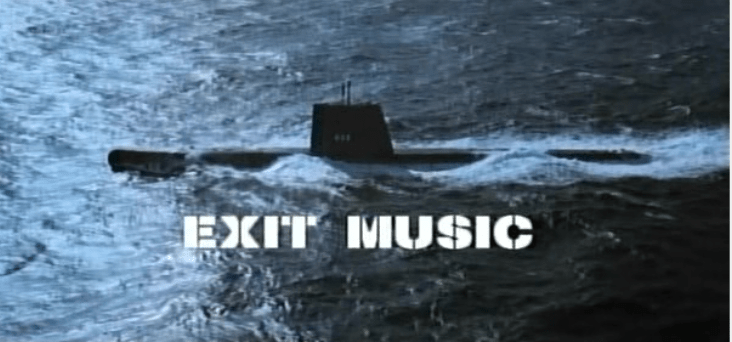
By the 1930’s talkie films became the mainstream of cinema. Reel projectors became more advanced and operators became better and faster at switching reels; the use of intermissions were used only when needed, usually due to a film’s long runtime. Films such as Gone with the Wind (with a 248 minute runtime) included an official intermission. But by 1950 with the development of 3-D cinema (also known as 3 Dimension Motion Pictures), intermissions were not only used for long run-times, but also to service the projector (Mortaljouney, 2010). 3D Films such as House of Wax and Dial M For Murder with very short run-times (less than 100 minutes) included an official intermission (Furmanek, 2021). Intermissions were seen at the time as a staple in many big production films (also known as Epic Films), which could also feature an overture, entr’acte, and or exit music.

Source: 3dfilmarchive
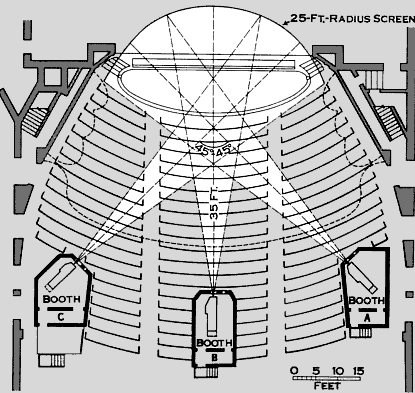
By the 1960’s it was very common for films with run-times of over 145 minutes to have an official intermission present. In many of these films the intermission was placed following the ending of an intense or emotional interaction of characters, a plot twist, or to show a lapse of time. For many of these scenes music is used with an intermission title card or a fade to black screen. Intermissions were also seen during this time for potential income as it allowed the audience time to refill on refreshments and buy more concessions. Also during this time with the rise of drive-ins, intermissions also served as a break between two separate films. To indicate the length of this intermission, drive-ins would use a countdown and savvy advertising techniques to keep the audience’s attention and increase sales at the snack bar.
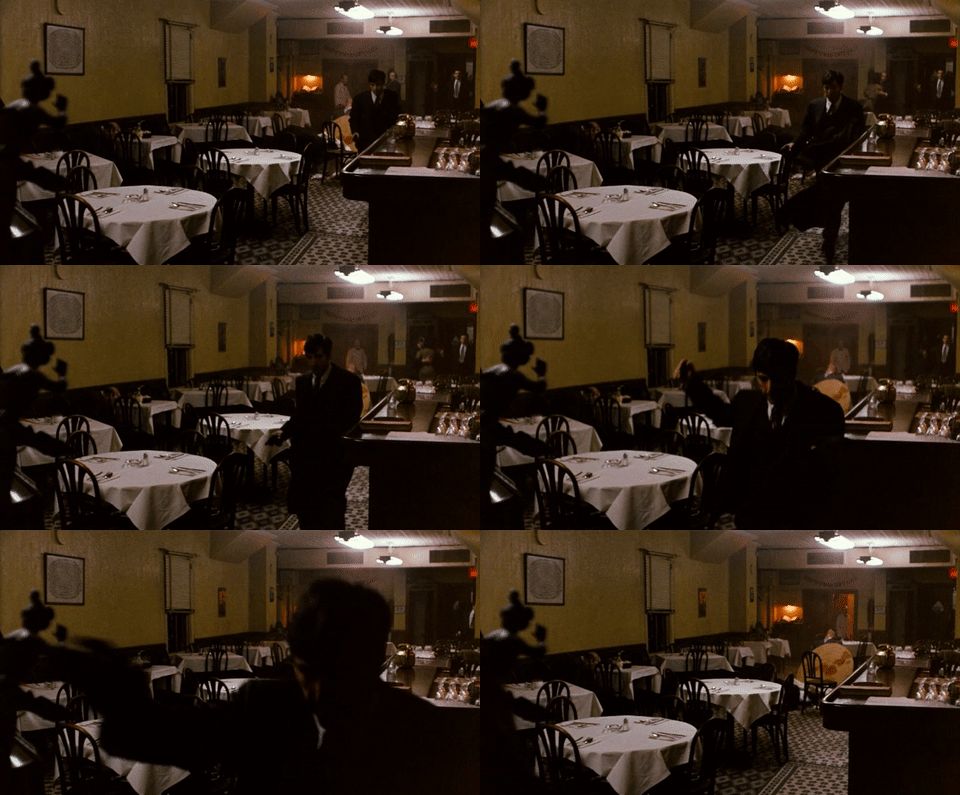
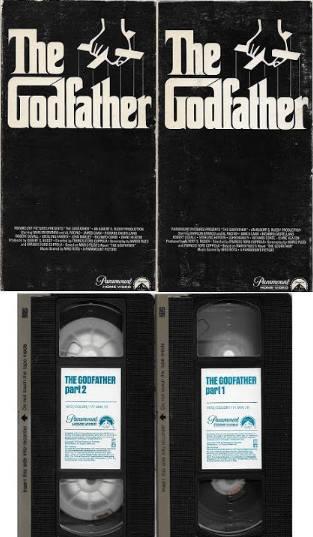
By the 1970’s longer films did not necessarily mean an official intermission was required or to be provided by the film studio. An example according to the Coppola Restoration DVD set, the 1972 film The Godfather was originally planned to have an intermission following the restaurant scene, but was later removed (Internet Movie Database, 2022). However this did not stop theaters from putting in their own intermissions. With longer films, theaters still saw the importance an intermission could have on concession revenue. Also during this decade the emergence of the VHS home system was released. Now film fans could own their own versions of Hollywood films and re-watch at their convenience. However, films with longer run-times were unable to fit into a single VHS case due to the amount of space required to hold the film tape. In order to preserve the tape as well as the film’s presentation quality, films with longer run-times were generally released in two-tape VHS sets. As a result, films with long run-times that normally did not have a break were forced to be released in two parts. Viewers had to change the VHS tapes allowing for a brief break in within the film.
By the 1990’s official intermissions had largely disappeared from the theaters. Film studios no longer provided intermission title cards. The fade to black screen was a common transition technique between scenes within films, which allowed for theaters to place a break wherever needed. Many theater companies began to realize that having an intermission within a viewing could limit the amount of times an entire film could be viewed by multiple audiences. For example, a 180 minute film might only be able to be screened three times daily on one screen with an intermission present, while not having an intermission would increase the total screening to four. Audiences knew the runtime of the film was long and were more likely to buy concessions prior to the start of the film, as a result, theaters were likely to make more money on concessions the more daily viewings that were available. The first Academy Award winning film to not have an official intermission with over a 180 minute runtime was the 1990 film Dances With Wolves. The long runtime did not deter audiences, grossing over $424 million at the box-office (Box Office Mojo, 2022). With the success of the film, film studios determined that audiences could sit through a three hour film without the need of a break. Dances with Wolves is also noted as one of the first three hour films released in one VHS case, stretching the limit of tape that could be held (the extended edition of the film, with a runtime of 237 minutes had to be released in two-tapes).
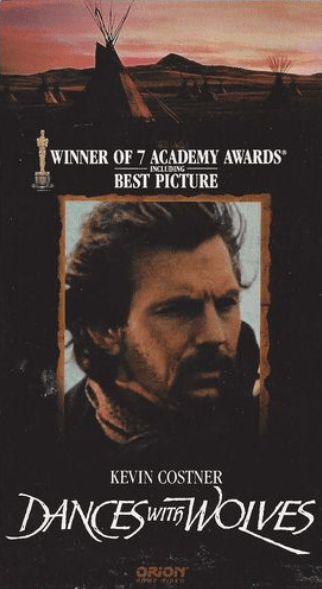

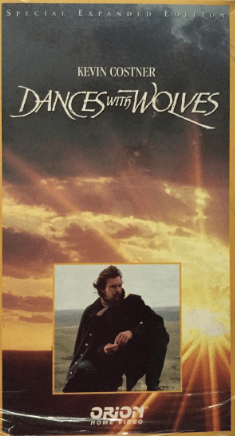

Above: Dances With Wolves (1990), VHS releases for the theatrical and extended editions
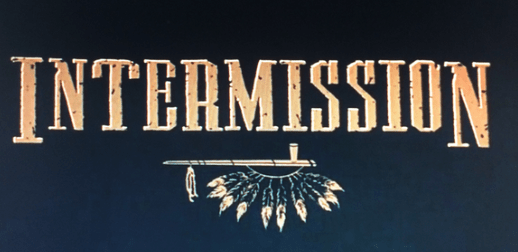


Three different versions of Alexander (2004), intermission title card added to the Final Cut edition.

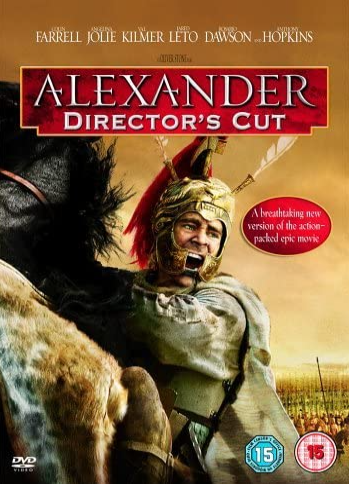

By the early 2000’s VHS’ began to decrease in popularity due to the emergence of DVDs (Shannon, 2022). DVDs were more convenient as audiences had to place the disk in the player, not rewinding or switching of tapes. A DVD had the capacity to hold the entire length of a film and also provided the convenience of stopping and resuming the film with ease. DVDs also provided audiences with the option of theatrical or extended editions, with directors in some cases adding intermission title cards to accompany the film (e.g., Alexander, The Hateful Eight).
Why Has It Disappeared: Present Day
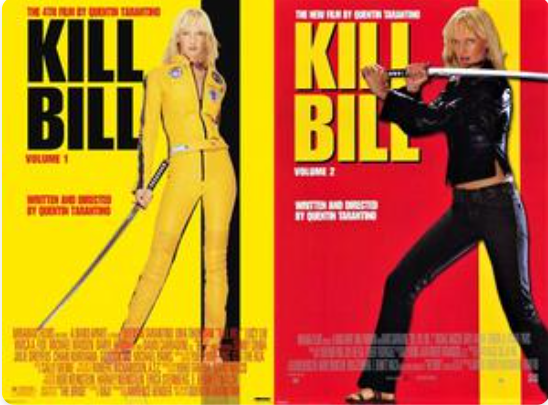
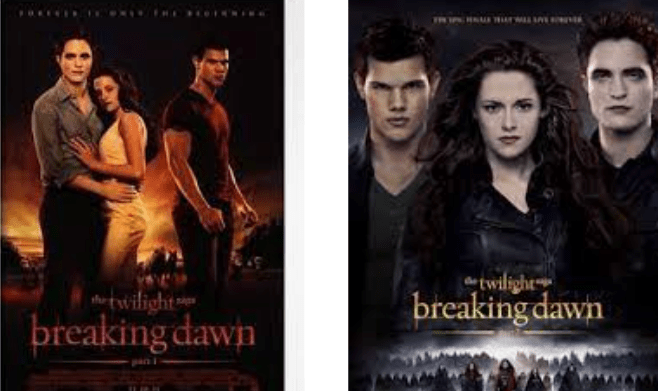
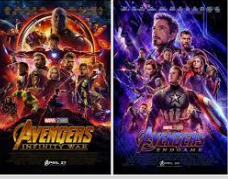
With the use of an intermission no longer practiced in cinema, studios found other means of showing longer runtime films without the need of making heavily edited cuts. Studios began releasing films in two separate parts. The first noted American film released in this format was Kill Bill (2003) which was released in two volumes (Kill Bill later released in 2011 as one volume; known as Kill Bill the Whole Bloody Affair). Since then many films have followed this structure including Che (2008), Harry Potter and the Deathly Hallows (2010/2011), Twilight: Breaking Dawn (2011/2012), The Hobbit Trilogy (2012/2013/2014), Hunger Games: Mocking Jay (2014/2015), It (2017/2019), The Avengers: Infinity War (2018/2019), Dune (2021/2023), Spider-Man: Across the Spider-Verse (2022/2023), and Wicked (2024/2025).




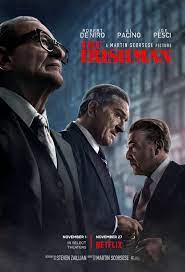
For some the use of a film intermission is an outdated practice that is no longer needed due to the ways in which audiences consume media. With the easy access of digital streaming, audiences can subscribe to streaming services such as Netflix, Apple TV, Amazon Prime, Disney+ to watch the latest films according to their schedule. Digital streaming has become so lucrative that specific films are produced and only available to specific media platforms. The 2019 Netflix film The Irishman with a runtime of 209 minutes was not released with an intermission as audiences could stop and resume viewing at their convenience.
Source: IMDB
Why Should Intermissions Come Back?
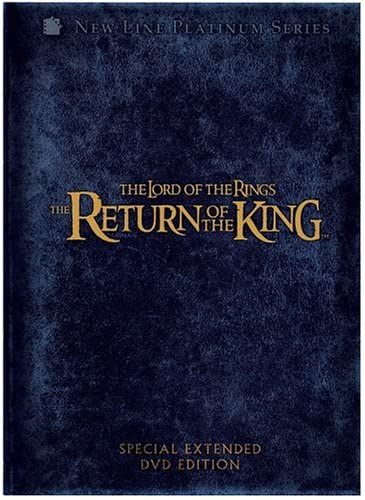
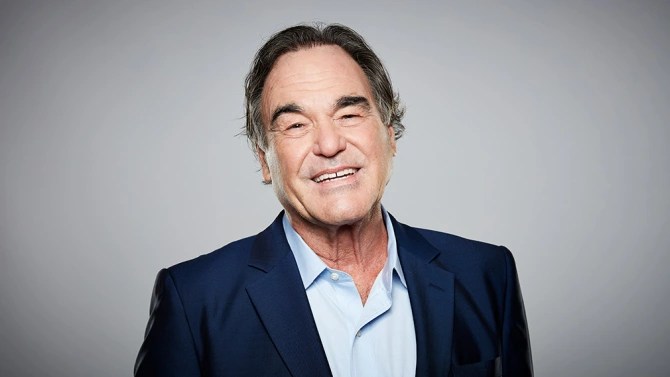
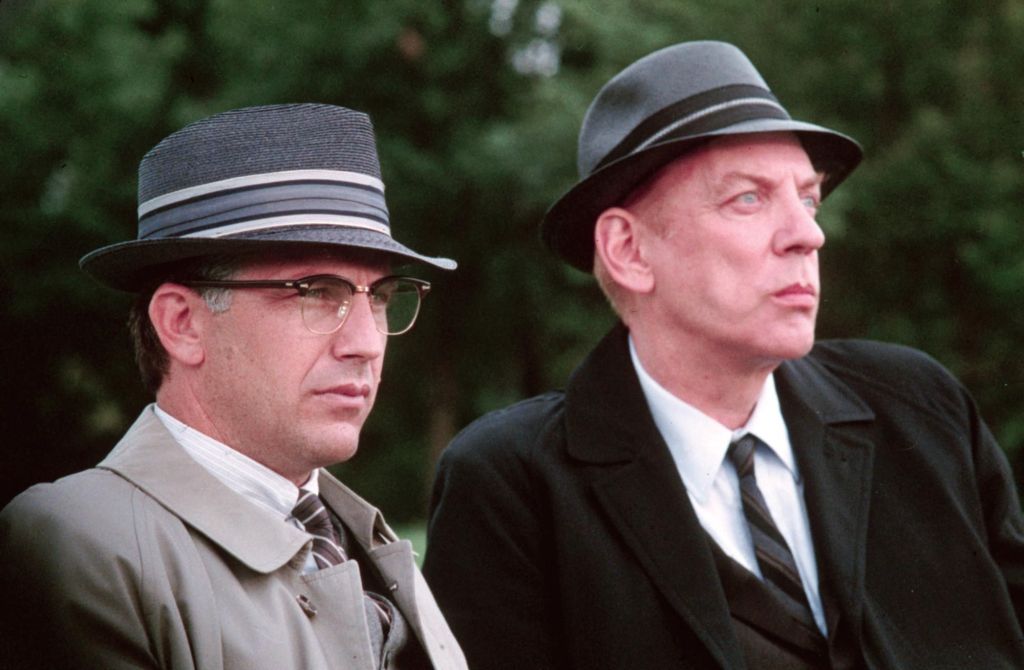
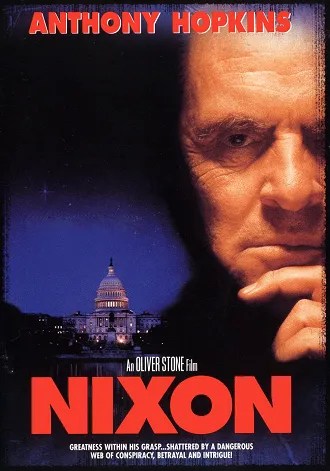
Having the opportunity to see Lord of the Rings: Return of the King Extended Edition (2003) in theaters was a remarkable experience, but having to sit for 250 minutes (over four hours), without stretching made viewing the film difficult and uncomfortable at times. Having an intermission would have relieved the discomfort. Besides, there is a certain mystique, wonder and excitement in films that include an intermission, it’s an experience that is unique as an audience member. Reaching the end of one part makes you question what possibilities could happen in the second part. The use of an intermission in films that are complex helps audience members critically examine and reflect on what they have viewed. When long runtime films are not presented with an intermission audiences can become overwhelmed or confused. As noted by director Oliver Stone who regretted not including an official intermission in two of his films stating “I lived through this experience with JFK and Nixon. JFK should have had an intermission. It should have come right after the Donald Sutherland scene, because then there’s just too much information flooding in. You need a break.” (Stone, 2016, pp.10). Although Hollywood has begun splitting long runtime films (films of 240 minutes or longer) into two part feature screenings, viewing half of the film then having to wait another year for the second part takes away from storytelling and consistency of the entire film. The audience may forget specific details included in the first half of the film, which can impact their perception of the second half and or the entire film itself. All in all, an intermission serves as an important technique used in productions that should not be forgotten. Film companies, directors, screenplay writers,and audiences should begin to consider the reappearance of an intermission in long productions to provide an astounding experience when consuming entertainment.
– Tall Curt (July, 2022)
Source: indiewire.com
Source IMDB

Works Cited
- Andrews, Richard (2011). Re-Framing Literacy: Teaching and Learning in English and the Language Arts. Language, Culture, and Teaching. Vol. 6. Taylor & Francis. ISBN 978-0-415-99552-8.
- Box office Mojo (2021). “Dances With Wolves (1990).” Box Office Mojo by IMDBPro. Accessed July 8, 2022 from https://www.boxofficemojo.com/title/tt0099348/?ref_=bo_se_r_1
- Brandon, James R., ed. (1992). Kabuki: Five Classic Plays. UNESCO collection of representative works. University of Hawaii Press. ISBN 978-0-8248-1426-7.
- Charlton, David (1986). Grétry and the Growth of Opéra-comique. Cambridge opera handbooks. Cambridge University Press. ISBN 978-0-521-25129-7.
- Dessen, Alan C. (2002). Rescripting Shakespeare: The Text, the Director, and Modern Productions. Cambridge University Press. ISBN 978-0-521-00798-6.
- Furmanek, Bob (2021). “3-D Features and Shorts 1952-1962.” 3-D Film Archive. Accessed July 6, 2022 from http://www.3dfilmarchive.com/golden-age-3-d
- Goodridge, Janet (1999). Rhythm and Timing of Movement in Performance: Drama, Dance and Ceremony. Jessica Kingsley Publishers. ISBN 978-1-85302-548-8.
- Holland, Peter (1997). English Shakespeares: Shakespeare on the English Stage in the 1990s. Cambridge University Press. ISBN 978-0-521-56476-2.
- Internet Movie Database (2022). “The Godfather: Trivia.”IMDB. Accessed July 6, 2022 from https://www.imdb.com/title/tt0068646/trivia/?ref_=tt_trv_trv
- Mortaljourney (2010). “3-D (Three Dimensional) Movie Craze (1950’s).” Mortaljourney: Celebrating Humanity’s Fondness For Fads, Memes, and Other Quirky Trends. Accessed July 6, 2022 from https://www.mortaljourney.com/2010/11/1900-century/1950-trends/3d-movies.
- Pavis, Patrice; Shantz, Christine (1998). “INTERMISSION”. Dictionary of the Theatre: Terms, Concepts, and Analysis. University of Toronto Press. ISBN 978-0-8020-8163-6
- Roemer, Christian (2022). “Fun Facts About Film Reels.” Analog: A Legacybox Blog. Accessed July 6, 2022 from https://legacybox.com/blogs/analog/fun-facts-about-film-reels.
- Shannon, Mollee (2022). “History of the VHS Tape.” Aperture: A Kodak Digitizing Blog. Accessed July 4, 2022 from https://kodakdigitizing.com/blogs/news/history-of-the-vhs-tape
- Stone, Oliver . “Interview Title.” Interview by Chris Wallace. Interview Magazine , March, 2016, accessed July 10, 2022 from https://www.interviewmagazine.com/film/oliver-stone-1.
 Hollywood Half-Time
Just a word for thought but that Oliver Stone quote finally made me realize why I couldn’t get into the last hour of Oppenheimer despite thinking the first two hours were solid. As he said there was way too many things going on after that and I think it would have really benefited if it slowed down a little just after the Trinity test to let watchers disengage for a while and take in what is going in so I could take in the next hour with a clear mind.
An opposite would probably be Dune 2 where too little is going on and I was extremely bored throughout and really needed a break so I could get something going on in my mind before locking in with complete focus.
LikeLike